
Digital inclusion is not just about getting people online. It is about creating opportunities for people to learn, participate, innovate, and grow in an increasingly digital world.
Technology continues to transform how people work, communicate, learn, access services, and build businesses. From artificial intelligence and cloud computing to digital marketing and software development, new technologies are creating opportunities across industries. However, these opportunities do not reach everyone equally.
For many individuals and communities, limited access to digital skills training, relevant technology resources, mentorship, and professional networks remains a significant barrier.
This is where digital inclusion becomes essential.
At MALhub, we believe that building an inclusive digital future requires more than individual effort. It requires collaboration between technology organisations, educational institutions, businesses, government agencies, development partners, and local communities.
Through strategic partnerships, practical technology education, and community-focused initiatives, MALhub continues to support efforts that make digital skills and opportunities more accessible.
Understanding Digital Inclusion in Today’s Economy
Digital inclusion means ensuring that individuals and communities have meaningful opportunities to access and benefit from digital technologies.
It goes beyond owning a smartphone, having an internet connection, or knowing how to use social media. True digital inclusion involves developing the knowledge, confidence, and practical abilities needed to participate effectively in the digital economy.
For example, someone may have access to the internet but lack the skills to use digital tools professionally, analyse information, build websites, protect personal data, or participate in remote work.
Similarly, a small business owner may understand the value of technology but struggle to identify affordable solutions that can improve business operations.
These challenges highlight an important reality: access to technology must go hand in hand with access to digital education, relevant resources, and opportunities for growth.
As the demand for digital skills increases, organisations must work together to bridge these gaps and ensure that more people can participate in the opportunities technology creates.
Why Partnerships Matter for Digital Inclusion
No single organisation can solve every digital inclusion challenge independently.
Technology evolves quickly, industry requirements change, and different communities face different barriers. Partnerships help organisations combine their strengths, resources, expertise, and networks to create more meaningful outcomes.
For MALhub, partnerships are an important part of expanding access to technology education and supporting a stronger digital ecosystem.
Here are five reasons collaboration matters.
1. Expanding Access to Quality Digital Skills Training
One of the biggest barriers to digital participation is limited access to relevant training.
Partnerships with technology companies, educational institutions, and development organisations can help create more opportunities for people to learn skills that reflect real industry needs.
By working with the right partners, technology education providers can improve learning experiences, introduce relevant tools, and connect learners with practical knowledge.
This approach helps reduce the gap between what people learn and what employers and businesses actually need.
2. Connecting Learning with Real Industry Opportunities
Learning a digital skill is an important first step, but learners also need opportunities to apply their knowledge.
Industry partnerships can help bridge this gap by creating pathways for mentorship, practical projects, professional exposure, internships, and career development.
When learners understand how technology works in real business environments, they can develop stronger problem-solving abilities and become better prepared for professional opportunities.
For MALhub, connecting education with practical application remains an important consideration in building a more inclusive digital ecosystem.
Check out this article on How To Become a Data Analyst From Scratch
3. Supporting Entrepreneurs and Small Businesses
Digital inclusion also matters for business growth.
Small businesses and entrepreneurs need digital tools to reach customers, manage operations, improve productivity, and compete in an increasingly technology-driven economy.
However, many business owners need guidance on choosing and using the right solutions.
Through collaboration with business communities, technology professionals, and other ecosystem stakeholders, organisations can help entrepreneurs improve their digital capabilities.
Areas such as website development, AI automation, data analysis, cybersecurity, and automation can help businesses operate more effectively and identify new opportunities.
4. Reaching Underserved Communities
Digital opportunities should not be limited to people who already have access to established technology networks.
Partnerships can help organisations identify communities that face barriers to digital participation and develop initiatives that respond to their needs.
Community-based programmes, outreach activities, accessible learning formats, and targeted training can help bring technology education closer to more people.
This is particularly important for young people, women, aspiring entrepreneurs, career changers, and individuals who may not have traditional pathways into the technology industry.
5. Building a Sustainable Digital Ecosystem
Digital inclusion is not a one-time project. It requires continuous investment, collaboration, learning, and adaptation.
Strong partnerships create opportunities for organisations to share knowledge, develop new initiatives, strengthen local capacity, and respond to emerging technology trends.
When businesses, educators, communities, and technology organisations work together, they contribute to an ecosystem where more people can learn, create, and participate in digital development.
MALhub’s Approach to Partnering for Digital Inclusion
MALhub approaches digital inclusion through a combination of technology education, practical learning, community engagement, and collaboration.
Founded in Ilorin in 2017, MALhub has focused on creating opportunities for individuals and businesses to develop relevant technology capabilities.
Its approach recognises that digital transformation requires people who can understand technology, apply it to real problems, and use it to create value.
The following areas reflect how MALhub contributes to this wider objective.
1. Making Technology Education More Accessible
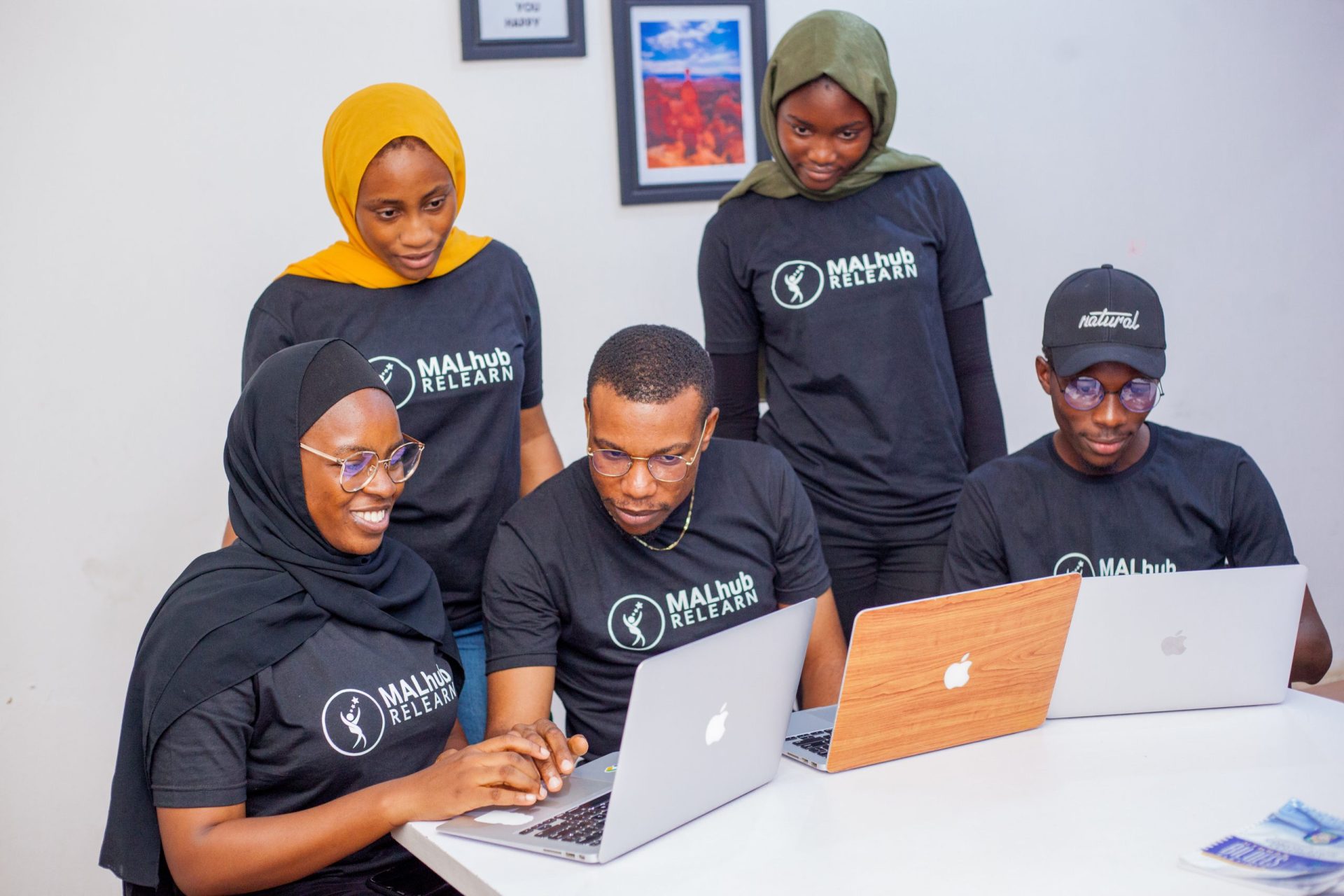
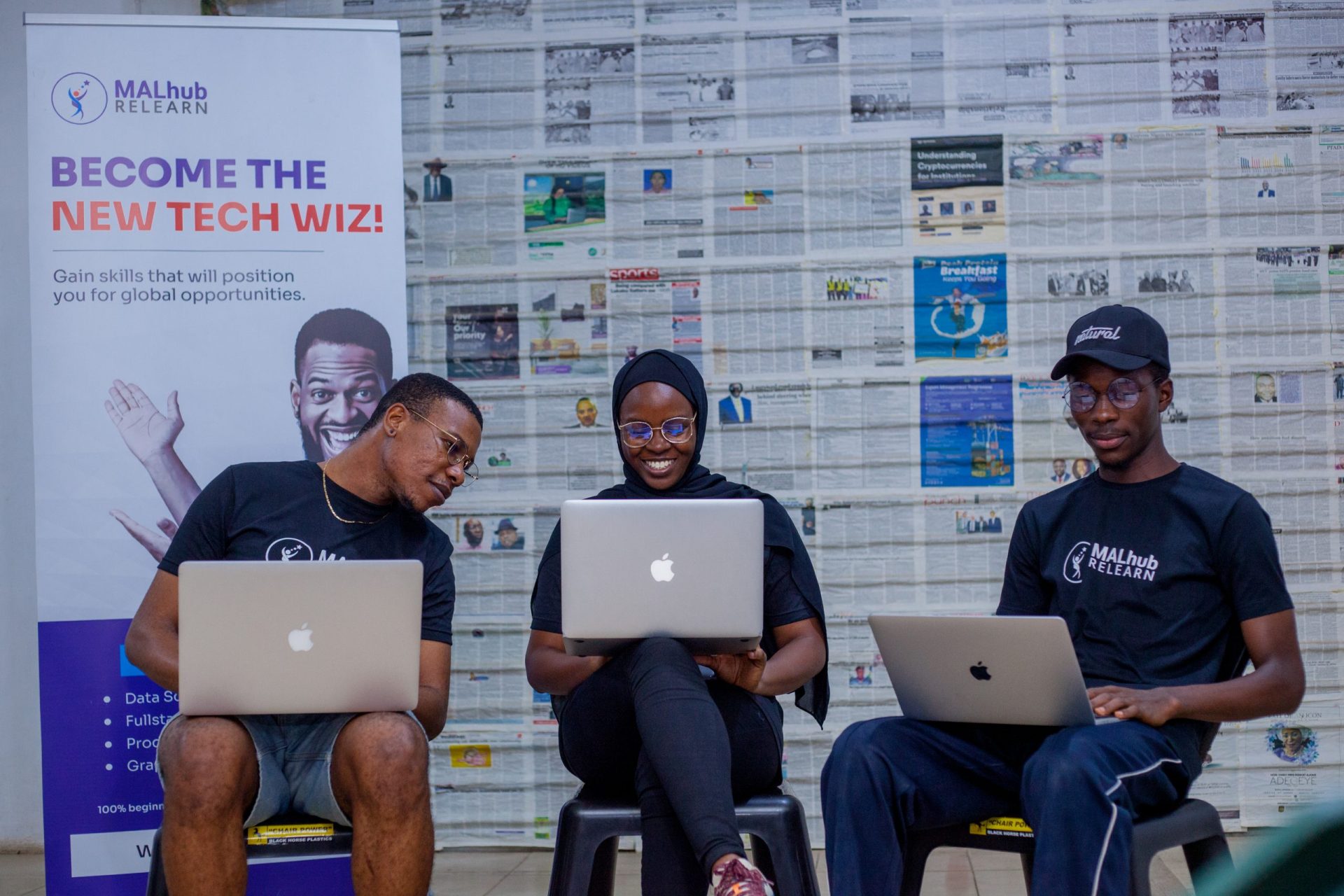
MALhub provides technology learning opportunities through onsite and virtual programmes.
These learning formats create different entry points for individuals who want to develop digital skills, whether they prefer structured in-person learning or the flexibility of virtual education.
Its technology programmes cover areas such as:
- Software Development: Building websites, applications, and digital solutions.
- Data Analysis: Using data to identify patterns, generate insights, and support better decisions.
- Product Design (UI/UX): Creating useful and user-centred digital experiences.
- Cybersecurity: Understanding digital threats and developing skills to protect systems and information.
- Product Management: Learning how to plan, develop, and manage digital products.
- Kids Coding: Introducing young learners to programming and computational thinking.
By providing learning opportunities across different technology disciplines, MALhub supports people at different stages of their digital skills journey.
2. Promoting Practical, Industry-Relevant Learning
Digital skills become more valuable when learners can apply them.
MALhub emphasises practical learning that helps participants move beyond theoretical knowledge and develop capabilities they can use in real-world situations.
For example, learners interested in software development can explore how to build digital products, while those studying data analysis can develop an understanding of how data supports business decisions.
This practical approach encourages experimentation, independent thinking, collaboration, and continuous improvement.
It also helps learners build confidence as they prepare to apply their skills in professional and entrepreneurial environments.
3. Supporting Young People Through Technology Education
Young people represent an important part of the digital economy’s future.
Introducing them to technology early can help develop creativity, logical thinking, problem-solving, and confidence.
Through initiatives such as kids’ coding programmes, MALhub creates opportunities for younger learners to explore programming and understand how technology works.
These experiences can help young people discover their interests, develop useful digital habits, and begin building the foundations for future careers in technology.
4. Helping Businesses Embrace Digital Transformation
Digital inclusion is not only about individuals. Businesses also need the knowledge and capabilities to participate in the digital economy.
MALhub recognises the importance of helping businesses understand and adopt technology that supports growth.
Digital tools can help organisations improve their online presence, streamline processes, reach new audiences, and make informed decisions.
By supporting technology education and business-focused digital capabilities, MALhub contributes to a business environment where organisations can better respond to changing market demands.
5. Creating Opportunities Through Collaboration
Partnerships provide an opportunity to extend the reach and impact of digital education.
By collaborating with organisations, industry professionals, educational institutions, and development stakeholders, MALhub can contribute to initiatives that connect learning with practical opportunities.
These collaborations can support knowledge sharing, industry exposure, mentorship, skills development, and community engagement.
The goal is to create stronger connections between people who want to learn, organisations that need digital capabilities, and partners who can help expand access to opportunities.
The Role of Technology Partners in Building an Inclusive Future
Technology partners play an important role in making digital inclusion sustainable.
Technology companies bring industry expertise, tools, platforms, and insights into emerging trends. Educational organisations understand learning needs and can translate technical knowledge into structured programmes. Businesses provide practical perspectives on the skills required in the workplace.
Development organisations and community stakeholders can also help identify barriers and support initiatives that reach people who might otherwise be excluded.
When these groups collaborate, they can create more effective digital inclusion initiatives.
For example, a partnership could support:
- Digital skills scholarships and accessible training opportunities.
- Technology workshops and community learning programmes.
- Mentorship and professional development sessions.
- Industry-led projects and practical learning experiences.
- Entrepreneurship and digital business development initiatives.
- Technology awareness and responsible digital participation.
These activities can help create an environment where digital education leads to practical capabilities and wider participation.
Partner with MALhub to Expand Digital Opportunities
The future of digital inclusion depends on what organisations are willing to build together today.
Businesses need digitally skilled people. Young people need access to relevant education. Entrepreneurs need technology to grow. Communities need opportunities to participate in the digital economy.
Addressing these needs requires collaboration.
MALhub welcomes opportunities to connect with technology companies, educational institutions, businesses, government agencies, development organisations, and other stakeholders who share a commitment to digital skills development and inclusive innovation.
Whether through training partnerships, community initiatives, mentorship, industry engagement, or technology-focused programmes, collaboration can help create opportunities that extend beyond the classroom.
If your organisation is committed to building a more digitally inclusive future, let’s explore how we can work together.
Visit malhub.org/ to learn more about MALhub’s programmes and initiatives.
Together, we can make digital skills more accessible, strengthen communities, and create more pathways into the digital economy.
MALhub — Building Skills. Empowering People. Creating Digital Opportunities.