
Artificial Intelligence (AI) is no longer a futuristic concept reserved for large technology companies. Today, AI automation is transforming businesses of every size by streamlining operations, improving decision-making, and creating new opportunities for innovation. Organizations across industries are embracing intelligent automation to reduce repetitive work, improve customer experiences, and empower employees to focus on high-value activities.
For entrepreneurs, startups, professionals, and aspiring technology experts, understanding AI automation has become an essential digital skill rather than an optional advantage. As businesses continue their digital transformation journey, professionals who understand AI-powered workflows, machine learning, and intelligent automation will remain highly competitive in the evolving job market.
At MALhub, where innovation meets practical learning, understanding AI automation is one of the most valuable investments anyone can make. Whether you’re building a startup, managing a growing business, or preparing for a career in technology, mastering AI automation can significantly improve productivity while opening doors to exciting career opportunities.
Understanding AI Automation: More Than Traditional Automation
Traditional automation has existed for decades. Businesses have long relied on software that follows strict, predefined instructions. These systems perform repetitive tasks efficiently, but they struggle whenever unexpected situations arise. If the conditions change, traditional automation typically requires manual intervention or reprogramming.
AI automation completely changes this approach. Instead of relying solely on rigid “if-this-then-that” rules, AI automation upgrades traditional rule-based tasks with machine learning and natural language processing. Intelligent AI agents can interpret unstructured data, understand human language, identify patterns, make complex decisions, and execute complete workflows without constant human supervision.
For example, rather than simply sorting emails based on predefined keywords, an AI automation system can understand the context of an email, determine its urgency, draft responses, assign tasks to the appropriate department, and even schedule follow-up actions automatically. This level of intelligence allows organizations to automate work that previously required human judgment.
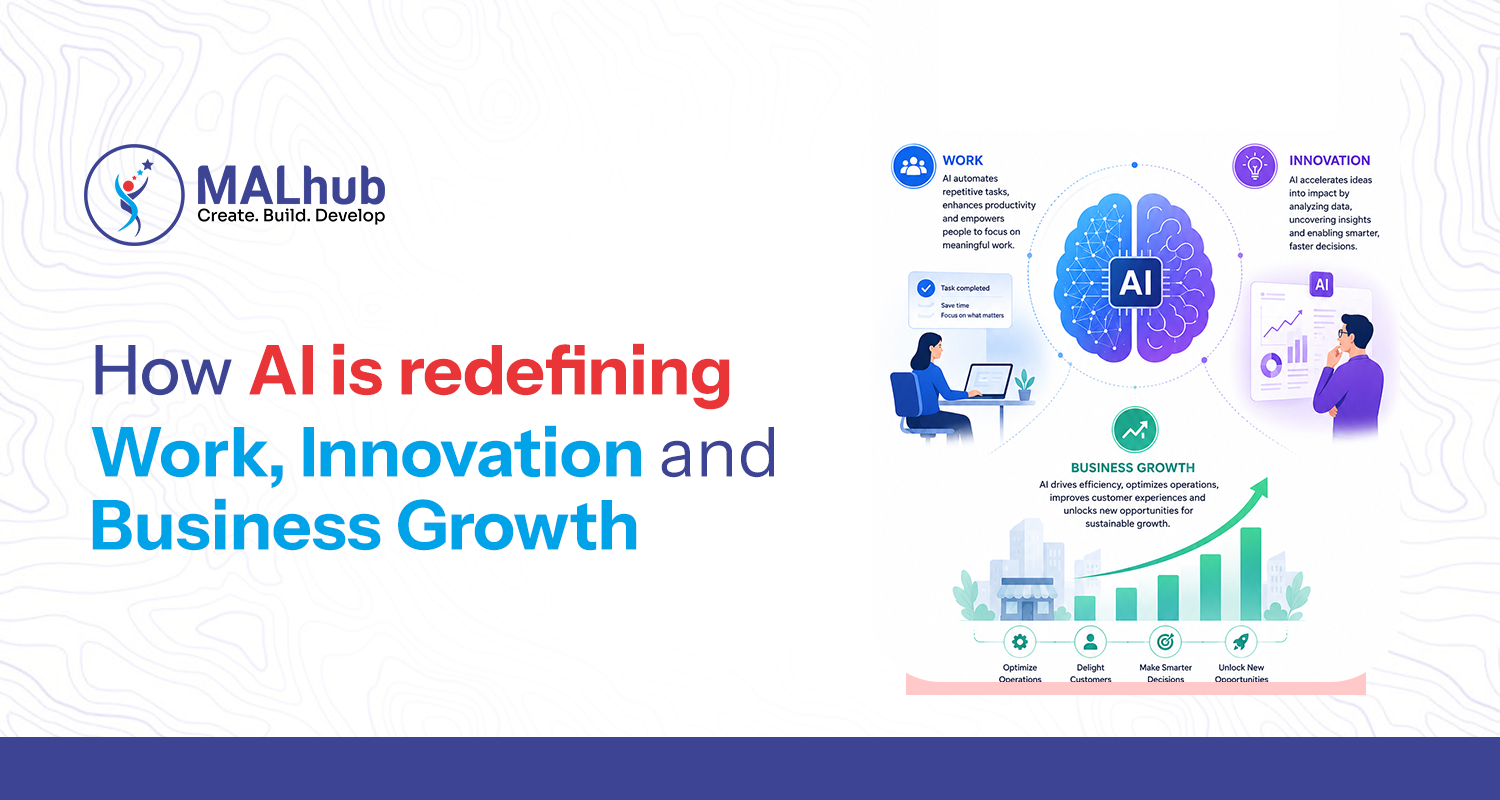
As AI technologies continue to evolve, businesses are discovering that intelligent automation is not replacing human creativity it is amplifying it. Employees spend less time on repetitive administrative work and more time solving problems, building relationships, and driving innovation.
Why AI Automation Is Transforming Every Industry
The growing adoption of AI automation is driven by one simple reality: businesses need to work smarter, faster, and more efficiently than ever before. Customers expect instant responses, personalized experiences, and seamless digital services. Meanwhile, organizations must reduce operational costs while maintaining high-quality performance.
AI automation addresses these challenges by combining data analysis, predictive intelligence, and automated execution into a single intelligent workflow. Unlike conventional automation systems that require constant updates, AI-powered solutions continuously learn from new data and improve their performance over time.
Healthcare organizations use AI automation to streamline patient scheduling, analyze medical records, and assist with diagnostics. Financial institutions automate fraud detection, loan processing, and risk assessment. Retail businesses personalize customer recommendations, forecast inventory demand, and optimize supply chains. Marketing teams automate campaign management while creating highly personalized customer experiences.
Consequently, AI automation has become one of the most influential technologies driving digital transformation worldwide.
The Core Technologies Behind AI Automation
AI automation combines several advanced technologies that work together to create intelligent systems capable of making decisions and completing complex tasks.
Machine Learning enables systems to recognize patterns from historical data and improve predictions without being explicitly programmed for every scenario. Instead of following static rules, machine learning models become increasingly accurate as they process more information.
Natural Language Processing (NLP) allows computers to understand, interpret, and generate human language. This capability powers AI chatbots, virtual assistants, intelligent search engines, and automated customer support systems.
Computer Vision enables AI systems to analyze images and videos. Businesses use this technology for quality control, facial recognition, inventory management, and document processing.
Generative AI adds another layer of intelligence by creating written content, software code, presentations, reports, and marketing materials. When combined with workflow automation, generative AI significantly increases employee productivity across multiple departments.
Together, these technologies create powerful AI automation solutions capable of handling increasingly sophisticated business processes.
Choosing the Right AI Automation Tools
Selecting the right AI automation tools depends on your organization’s goals, technical expertise, and workflow requirements. Fortunately, today’s market offers solutions suitable for businesses ranging from startups to large enterprises.
Workflow automation platforms connect multiple applications and automate repetitive processes without requiring extensive coding experience. AI writing assistants improve content creation while intelligent data analysis platforms generate actionable business insights from large datasets.
Customer relationship management systems increasingly include built-in AI capabilities for sales forecasting, customer segmentation, and predictive analytics. Project management software now incorporates AI assistants that automate task assignments, summarize meetings, and monitor project progress.
However, implementing AI automation successfully requires more than purchasing software. Organizations must identify repetitive processes, evaluate existing workflows, establish measurable objectives, and continuously optimize their automation strategies.
Businesses that approach AI automation strategically consistently achieve stronger long-term results.
The Rise of AI Automation Agencies
As AI adoption accelerates, businesses increasingly partner with specialized AI automation agencies to design, implement, and maintain intelligent workflows.
These agencies analyze business processes, identify automation opportunities, integrate AI tools with existing systems, and develop customized solutions tailored to organizational needs. They also provide training, ongoing optimization, and performance monitoring to maximize return on investment.
For startups and growing businesses without dedicated AI teams, partnering with an AI automation agency can significantly reduce implementation risks while accelerating digital transformation initiatives.
Nevertheless, organizations should ensure they understand the underlying technology rather than depending entirely on external providers. Internal AI literacy remains a valuable long-term competitive advantage.
AI Automation Bots Are Becoming Digital Team Members
Modern AI automation bots have evolved far beyond simple chatbots. Today’s intelligent agents can coordinate multiple software applications, retrieve information, analyze documents, generate reports, communicate with customers, and execute complex business workflows independently.
For example, an AI automation bot can receive a customer inquiry, access CRM records, verify payment status, generate a personalized response, schedule follow-up meetings, and notify internal teams all within seconds.
As large language models continue improving, AI automation bots will become even more capable of handling sophisticated business operations while collaborating effectively with human employees.
Rather than replacing professionals, these intelligent assistants enhance productivity by eliminating repetitive manual work and enabling faster decision-making.
Preparing for an AI-Powered Future
AI automation is reshaping how businesses operate, how professionals work, and how organizations compete. Companies that embrace intelligent automation today will be better positioned to adapt to tomorrow’s rapidly changing digital economy.
Meanwhile, professionals who invest in AI skills will enjoy greater career opportunities across technology, business, marketing, finance, healthcare, education, and entrepreneurship. The future belongs to individuals who understand how to collaborate effectively with intelligent systems rather than compete against them.
At MALhub, developing expertise in AI automation means more than learning new software. It means acquiring the practical knowledge needed to solve real-world business problems, improve organizational efficiency, and drive innovation through technology.
Whether you’re exploring AI automation tools, looking for AI automation examples, searching for an AI automation course, experimenting with AI automation free resources, considering an AI automation agency for your business, or building your own AI automation bot, now is the ideal time to begin your journey. The opportunities are growing every day, and those who act early will be best prepared to lead the next generation of digital transformation.