

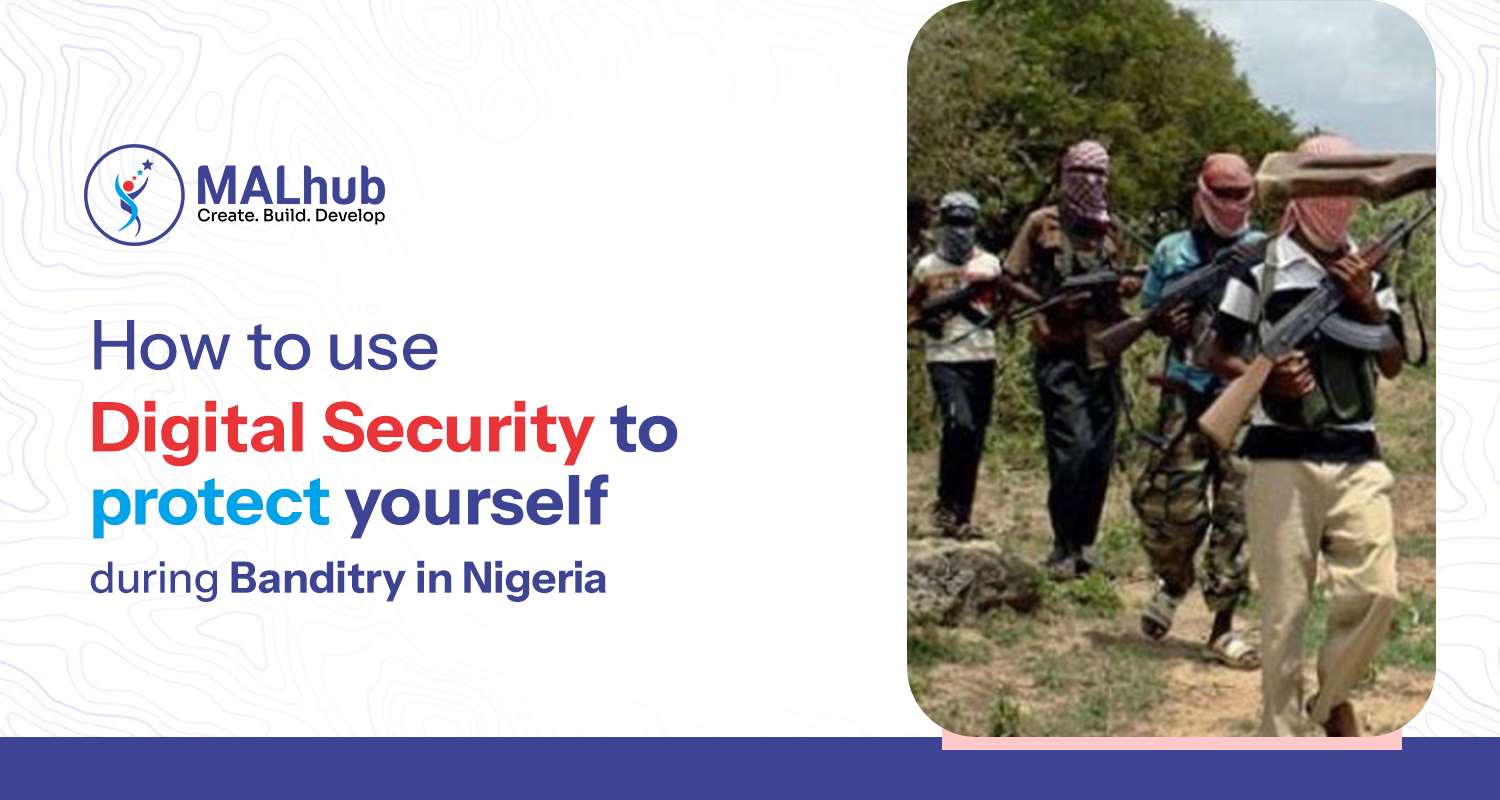
Nigeria’s security has become increasingly complex. In many communities, concerns about banditry, kidnapping, and organized criminal activities have led individuals and families to become more conscious of their physical safety. However, while many people focus on physical security measures such as gates, guards, and neighborhood vigilance, an equally important area often receives less attention: digital security.
In today’s connected world, protecting yourself goes beyond physical safety, it also means protecting your digital life. Criminal networks are becoming increasingly sophisticated in their use of technology. They monitor social media activities, exploit leaked personal information, and use digital tools to identify potential targets.
Although technology alone cannot eliminate physical threats, it can help people stay informed, communicate securely, safeguard important information, and respond more effectively during emergencies. As a result, digital security has become a critical layer of personal protection for individuals, families, businesses, and communities across Nigeria.
Why Digital Security Matters During Times of Insecurity
Many people think cybersecurity only applies to businesses, banks, or government institutions. However, digital security affects everyone who owns a smartphone, uses social media, accesses online banking, or communicates through digital platforms.
During periods of insecurity, criminals often gather information from publicly available sources. A simple social media post revealing your location, travel plans, expensive purchases, or daily routine can provide valuable intelligence to individuals with malicious intentions.
Furthermore, the increasing use of smartphones means that personal data such as photos, contacts, financial information, and location history are constantly being stored digitally. Protecting this information is no longer optional. It is an essential part of personal safety and risk management.
Practice Personal Operational Security (OpSec)
One of the most effective ways to protect yourself is by practicing Personal Operational Security, commonly known as OpSec.
Operational Security involves controlling the information you share and understanding how seemingly harmless details can be used against you. For example, regularly posting your location, daily commute, vacation plans, or attendance at events can create a predictable pattern that criminals may exploit.
Similarly, avoid posting real-time updates when traveling. Instead, consider sharing experiences after returning safely. Criminals often monitor public profiles to identify individuals who may be away from home or traveling through vulnerable areas.
Being mindful about what you share online significantly reduces your digital exposure and minimizes opportunities for misuse.
Disable Location Tracking and GPS Tagging
Modern smartphones automatically collect and store location data. Many social media platforms also encourage users to share their location through check-ins, tagged photos, and stories.
While these features may seem harmless, they can expose your exact whereabouts. Criminals can use location data to identify your home, workplace, school, or regular travel routes.
Therefore, it is advisable to disable GPS tagging on photos and limit location-sharing permissions to only essential applications. Before posting images online, ensure that embedded location metadata has been removed.
By taking these simple precautions, you reduce the amount of sensitive information available to potential attackers.
Avoid Sharing Unverified Information
One of the biggest challenges during security crises is the rapid spread of misinformation.
In many cases, unverified videos, voice notes, and social media posts about attacks or kidnappings spread quickly, creating unnecessary panic and confusion. Unfortunately, misinformation can also disrupt emergency responses and make it more difficult for communities to assess actual risks.
Always verify information through trusted sources such as official government agencies, security organizations, local authorities, or reputable media outlets. Responsible information sharing helps communities remain informed without contributing to fear or misinformation.
Digital security is not only about protecting data, it is also about protecting the quality and accuracy of information we consume and distribute.
Protect Your Devices and Sensitive Data
Your smartphone is one of your most valuable personal assets. It often contains your contacts, banking information, personal photos, emails, and important documents.
Because of this, securing your device should be a top priority. Start by using a strong passcode or biometric authentication such as fingerprint or facial recognition. These measures make unauthorized access significantly more difficult.
Additionally, enable device encryption whenever possible. Encryption protects your data even if your phone or computer falls into the wrong hands. Most modern Android and Apple devices provide built-in encryption features that can be activated easily.
Use Secure Cloud Backups
Losing access to important information during a crisis can be devastating.
Whether due to theft, device damage, or unexpected emergencies, losing critical documents can create additional stress during already difficult situations. Secure cloud backups help ensure that essential information remains accessible.
Store copies of important identification documents, educational certificates, insurance records, emergency contacts, and personal files in reputable cloud storage services. Ensure these accounts are protected with strong passwords and additional security layers.
Having secure backups allows you to recover important information quickly if physical devices are lost or compromised.
Enable Two-Factor Authentication (2FA)
Passwords alone are no longer sufficient protection.
Cybercriminals use various techniques including phishing attacks, credential theft, and password leaks to gain access to online accounts. Even strong passwords can become vulnerable if reused across multiple platforms.
Two-Factor Authentication (2FA) provides an additional layer of security by requiring a second verification step before granting access. This could include a verification code sent to your device or generated through an authentication app.
Enabling 2FA on your email, banking applications, social media accounts, and cloud storage services dramatically improves account security.
Secure Your Communications
Communication plays a critical role during emergencies. Whether coordinating with family members, sharing important updates, or receiving security alerts, secure communication channels help protect sensitive information.
Applications such as WhatsApp and Signal offer end-to-end encryption, ensuring that only intended recipients can read messages. This protection helps prevent unauthorized interception of private conversations.
At the same time, avoid discussing sensitive personal information in public groups or unsecured platforms. The more controlled your communication channels are, the safer your information remains.
Be Careful with Your Phone Number and NIN Information
In Nigeria, phone numbers are linked to National Identification Numbers (NIN). As a result, phone numbers can reveal more information about an individual than many people realize.
Avoid sharing your phone number publicly on social media platforms, online forums, or websites unless absolutely necessary. Criminal actors can use phone numbers to conduct social engineering attacks, identity verification scams, and targeted harassment.
Similarly, treat your NIN information as confidential. Never share identification details with unknown individuals or suspicious organizations.
Protecting your digital identity is an important component of personal security.
Disable Automatic Cloud Sync for Sensitive Media
Many smartphones automatically upload photos and videos to cloud storage services.
While cloud backups are valuable, automatic syncing can sometimes expose sensitive images or personal information if accounts become compromised. Consider reviewing your camera backup settings and disabling automatic uploads for highly sensitive content.
Additionally, organize personal and family photos carefully and maintain strong security settings on cloud accounts. This simple step can prevent unauthorized access to private information.
Why Cybersecurity Skills Matter More Than Ever
The increasing connection between physical safety and digital security highlights the growing importance of cybersecurity education.
Today, cybersecurity skills are valuable not only for technology professionals but also for business owners, students, remote workers, government employees, and everyday citizens.
Understanding how to identify threats, protect devices, secure communications, and manage digital risks empowers individuals to navigate modern challenges more confidently. The more digitally aware a community becomes, the more resilient it becomes against cyber threats and information exploitation.
Build Your Digital Security Skills with MALhub
As technology continues to shape our daily lives, cybersecurity has become one of the most in-demand skills globally.
MALhub Cybersecurity Training Program equips learners with practical knowledge in network security, information security, threat detection, vulnerability assessment, incident response, and cybersecurity best practices.
Invest in Your Future Today
👉 Enroll in MALhub’s Cybersecurity Course
📧 Email: [email protected]
📞 Call: +234 816 895 3635
Final Thoughts
In an era where physical and digital worlds are deeply interconnected, personal safety requires a broader approach. Protecting yourself from modern threats involves not only physical awareness but also strong digital security practices.
By limiting information exposure, securing devices, using encrypted communications, enabling two-factor authentication, and developing cybersecurity awareness, individuals can significantly reduce their vulnerability to exploitation.
The reality is simple: the more connected we become, the more important digital security becomes. Those who understand and apply cybersecurity principles are better positioned to protect themselves, their families, and their communities in an increasingly digital world.